Blogs
The Best Alcohol Tracker Features to Look For in 2026

Every alcohol tracker in the app store looks good in screenshots. Clean charts, encouraging numbers, a satisfying weekly graph. Then you download one, use it for nine days, and forget it exists. The gap between a drink tracker you keep using and one you abandon almost never comes down to the feature list — it comes down to two or three things that are hard to see from a store listing. Here's what to actually look for in a drink tracking app, and what to ignore.
The One Feature Everything Else Depends On
Logging speed. That's it, and it isn't close.
Every other feature is built on top of your logs. Insights, trends, streaks, limits — all of it is downstream of you actually recording the drink. And you'll be doing that in the least convenient moments: mid-conversation at a restaurant, standing in a kitchen, at 11pm when you're tired. If logging one drink takes four screens and a dropdown, you'll skip it once, then twice, and by week two the app is dead on your phone.
Test this first, before anything else. Open the app and log a beer. If it took more than about five seconds and two taps, nothing else on the feature list will save it.
The Alcohol Tracker Features That Actually Matter
Pattern Insights, Not Just a Running Total
A weekly total is a scoreboard. It tells you how much and nothing else. What you need is the distribution — which days carry the weight, whether it's three big nights or a steady drip, what time you usually pour, how this month compares to last.
The difference is practical. “Fourteen drinks last week” is a fact you can't act on. “Nine of those fourteen were Tuesday through Thursday” tells you exactly where to push, and which weekend you don't have to touch.
A Limit You Set Yourself
Check whether you can set your own number, and whether the app treats it sensibly. Some are built around quitting rather than cutting back, and they'll quietly push you toward zero whether that's your goal or not.
Also check how it frames that number. A limit is a ceiling, not a target — coming in at six against a limit of ten is a good week, and an app that presents it as unused allowance is working against you.
Something to Do in the Moment
This is the feature most people don't think to look for and miss the most later.
It's 7pm on a Wednesday and you want a drink. A chart does nothing for you. What helps is having somewhere for the next fifteen minutes to go: a breathing exercise, a place to write down what's actually going on, a decent mocktail you can make with what's in the fridge, a short audio session to sit through. Whether it's box breathing or self-hypnosis matters less than whether there's anything there at all.
Most urges don't last long. An app that only measures gives you nothing to do while one passes.
Honest Standard-Drink Math
A standard US drink is 14 grams of pure alcohol: a 12 oz beer at 5%, 5 oz of wine at 12%, or a 1.5 oz shot of spirits. Most people pour 8 or 9 oz of wine at home, which is closer to two drinks than one.
A good tracker lets you record what you actually drank rather than forcing everything into a generic “1 glass.” If the app can't tell the difference between a 4% lager and a 9% IPA, or between a small pour and a large one, your data is softer than it looks.
Privacy That Isn't Just a Policy Page
You're recording something personal, so look at the App Store privacy label before you install, not the marketing copy. Does it require an account? Is there a feed? Who else can see your logs?
For most people the right answer is that nobody can. No audience, no leaderboard, no one reviewing your week. A private record is more honest, and honest data is the only kind worth having.
Your Data, Exportable
Unglamorous and worth checking. If you log for a year and then want to switch apps, or show a doctor a straight record of the last six months, can you get your data out? An app that traps eighteen months of logs is a small problem now and an annoying one later.
Features That Look Good and Don't Help
Streaks That Punish You
A streak is fine as information: eleven alcohol-free days is a useful thing to know. It becomes a problem when the app treats one drink as the destruction of something you built.
If your plan is two drinks on Saturday, an app that resets you to zero every Saturday night isn't tracking your progress. It's issuing a weekly failure notice for doing exactly what you intended. That design belongs in an app built for quitting, and it drives people away from moderation faster than almost anything else.
Gamification That Misses the Point
Badges, levels, confetti. Pleasant for a fortnight, then either invisible or slightly irritating.
The problem isn't that rewards are bad, it's that the real reward is already there and it's better: sleeping properly, clear mornings, the number going down. An app leaning hard on trophies is usually compensating for insights that aren't interesting enough on their own.
A Social Feed You Didn't Ask For
Community genuinely helps some people, mostly those who've committed to stopping completely and want others doing the same. If that's you, good — look for it deliberately.
If you just want to drink less on weeknights, a feed is friction. And there's a subtler cost: people log differently when they know something is visible. An audience makes the data worse.
What to Ask About a Drink Tracking App in 2026
- Does it log non-alcoholic drinks? The NA category has expanded enormously, and swapping rather than skipping is how a lot of people actually cut back. Being able to record the swap is more useful than a blank space.
- If it offers AI-generated insights, are they specific? “You tend to drink more on Thursdays” is worth having. “Keep up the good work” is filler with a chatbot attached.
- Does it connect to sleep or health data — and do you want it to? Correlating drinks with sleep is genuinely revealing. It also means handing over more data. Reasonable either way, but make it a decision.
- Does the free version do the core job? If logging or your basic weekly pattern sits behind a subscription, you can't evaluate the thing that matters most before paying.

The Five-Minute Test Before You Commit
Install it and do exactly this:
- Log a drink. Count the taps. More than three is a bad sign.
- Log a large pour of wine. See whether the app can represent it accurately.
- Set a weekly limit. Check whether the number is yours and how the app talks about it.
- Look for what happens when you're struggling at 7pm. Is there anything, or only charts?
- Check the paywall. Is the core loop free enough to judge?
Five minutes tells you more than an hour of reviews. Most abandoned trackers fail on step one.
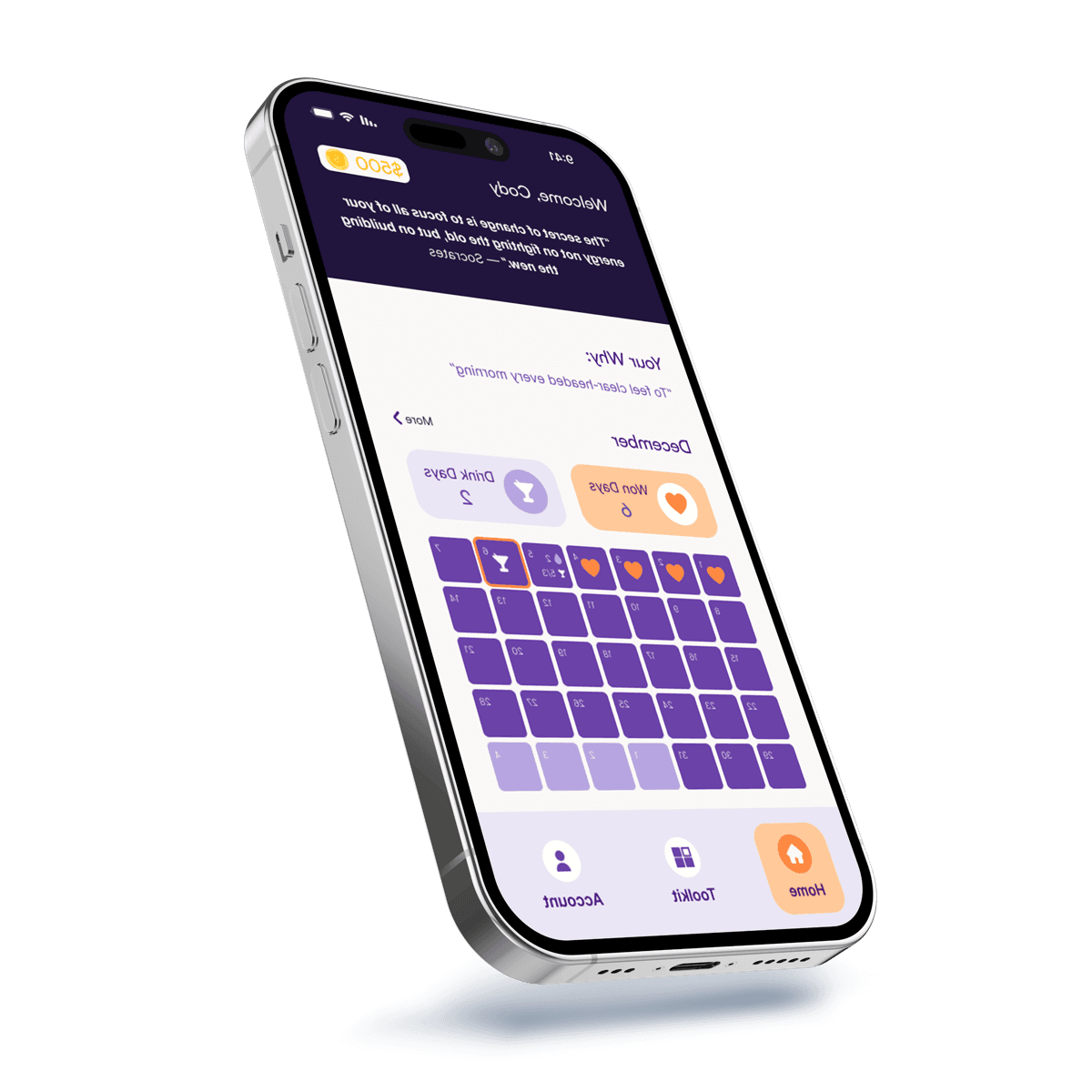
For the record, that list is roughly the brief Alcohol Reboot was built against: two taps to log a drink, patterns rather than a bare total, a limit you set, and a toolkit for the evenings when a chart isn't what you need. Worth knowing what an alcohol tracker actually does before you compare anything.
FAQ
Logging speed. An app you keep using at a basic level beats a sophisticated one you quit in week two, and friction is what makes people quit.
Not to start. Logging and a weekly view are enough to be useful, and both should be available free. Paid tiers usually add deeper analysis or extra tools — worth it once you know you'll keep using the app, not before.
Depends entirely on the framing. As a count of alcohol-free days, useful. As something that shatters when you have one planned drink, actively unhelpful if you're moderating rather than quitting.
Nice to have, not essential. Seeing drinks against sleep data is genuinely interesting, but it's a bonus on top of accurate logging rather than a substitute for it.
Fewer than you'd think. Fast logging, a clear pattern view, and a limit you set yourself will get you most of the way. Everything else is optional.
Run the five-minute test on Alcohol Reboot if you like — logging a drink takes two taps, and the weekly pattern is there from your first fortnight of data. Available on the App Store and Google Play.